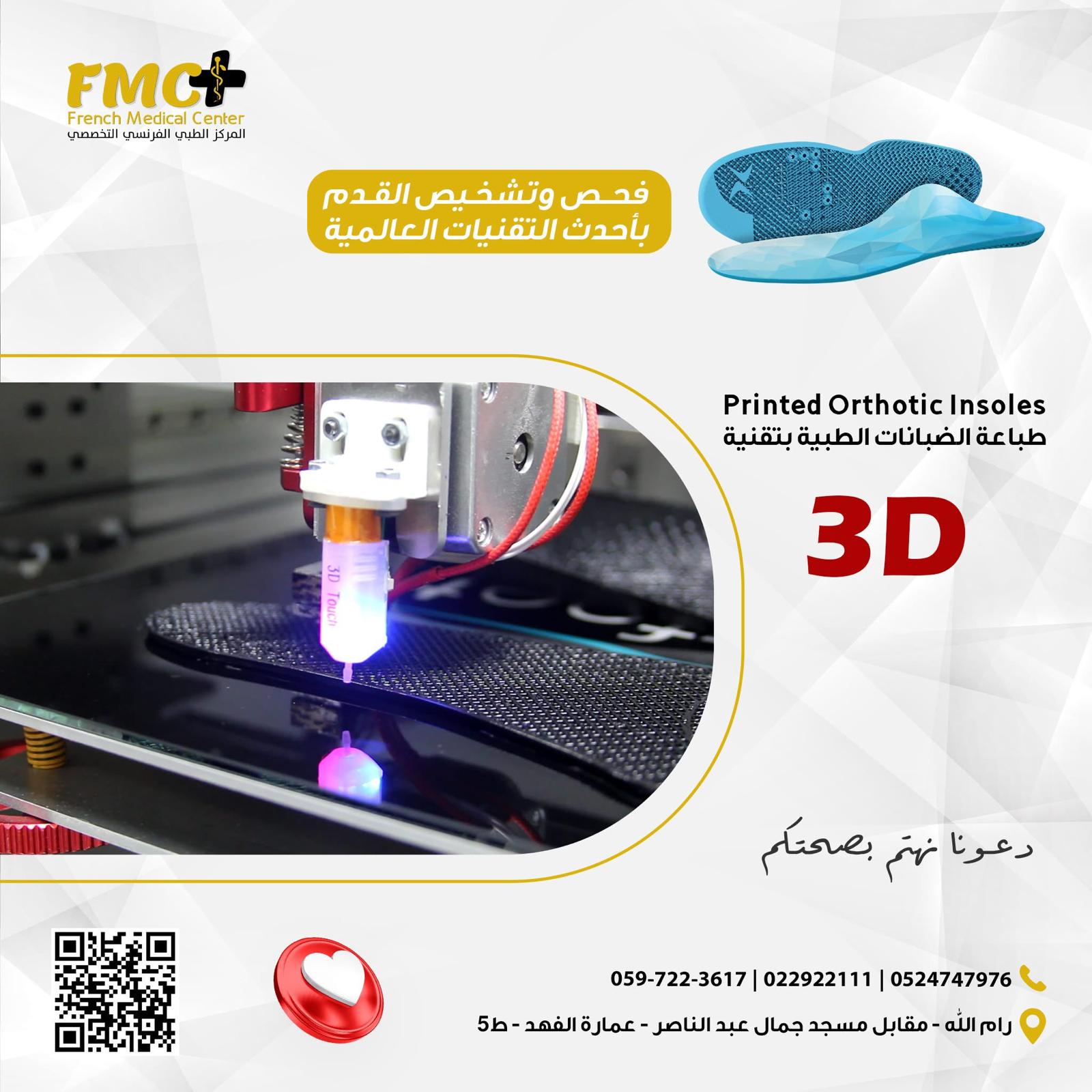
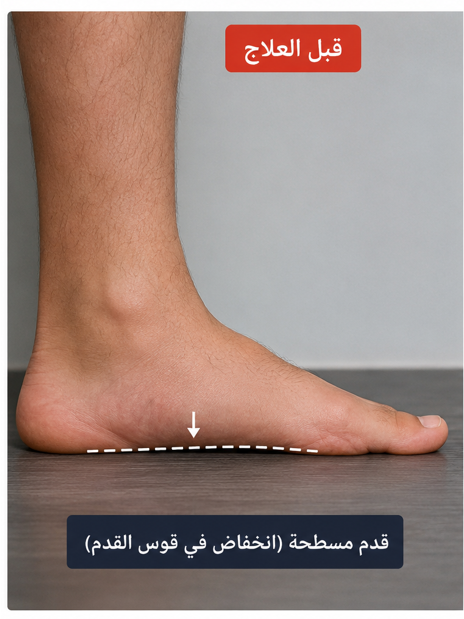
How do Aetrex devices work to assess flat feet?
Aetrex devices are modern and useful technologies for evaluating flat feet. They don't just measure foot size; they also analyze arch height, pressure distribution, and the degree of inward curvature of the foot, helping to select the appropriate support.
The examination is quick and easy. The person stands on the device for a short time, and the system analyzes the foot shape and weight distribution, providing a suitable recommendation for orthotic insoles or appropriate footwear.
How is flat foot assessed?
The device, especially the Albert 2 model, relies on a range of advanced technologies, most notably:
3D Depth Cameras: These capture the foot's shape with high precision and help determine low or absent arches.
Pressure Sensors: These measure the body's weight distribution on the sole of the foot and identify areas of excessive pressure, as flat feet often exhibit an abnormal pressure distribution.
Gait Analysis:
This helps assess posture and gait, and measure the degree of inward tilt of the foot, a condition known as overpronation.
What data does the examination provide?
The device doesn't just give a general observation about the foot; it provides detailed data that helps the specialist choose the appropriate solution, such as:
Arch Height: Measuring the height and depression of the arch.
Degree of Overpronation: Determining the degree of inward tilt of the foot while standing or moving.
Pressure Map: Showing the areas on the sole of the foot that bear more pressure than others.
What is the suggested solution for flat feet?
Based on the examination results, the system helps suggest orthotics or shoes suitable for the foot shape and the required level of support.
In cases of flat feet, orthotics that provide additional arch support are often chosen. These help improve pressure distribution while standing and walking, which can contribute to pain relief and improved comfort during movement.
Examination Stages Using the Device
The examination is typically conducted in three main stages:
3D Measurement:
Measuring foot length, width, arch height, and circumference.
Pressure Analysis: Determining weight distribution on the foot and identifying high-pressure points.
Recommending the Appropriate Product:
The system provides a recommendation for suitable orthotic insoles or shoes based on the examination results.
Important Note
This examination helps assess the condition of the foot and select the appropriate support, but it does not replace consultation with a doctor or physical therapist, especially in cases of persistent pain, difficulty walking, or a clear problem with foot balance.
Book your appointment now and begin treatment with confidence.
📍 Our Location: Ramallah - Opposite Jamal Abdel Nasser Mosque - Al-Fahd Building - 5th Floor.
📞 For appointments and inquiries:
0597223617 | 022922111 | 0524747976
🌐 French Specialized Medical Center
http://fmc.ps
#FrenchMedicalCenter #FMC #PhysicalTherapy #FlatFoot #FlatFoot