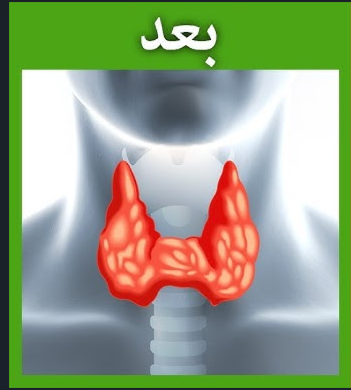
Yes, thyroid tumor removal is a common surgical procedure. Here's a comprehensive overview:
Overview
Thyroidectomy is a surgical procedure to remove tumors (which may be benign or malignant) from the thyroid gland. The goal is to remove the tumor while preserving as much healthy tissue as possible for the gland to function.
Types of Resection
1. Lobectomy: Removal of only half of the thyroid gland. This is performed when the tumor is small and confined to one lobe.
2. Total thyroidectomy: Removal of the entire thyroid gland. This is usually performed for thyroid cancer, if tumors are present in both lobes, or when the tumor is large.
3. Subtotal thyroidectomy: Removal of most of the thyroid gland, leaving a small amount of tissue. This is becoming less common.
Indications for the Procedure
· Malignancy (thyroid cancer): This is the most urgent reason.
Benign (non-cancerous) tumor: If it is large and causes symptoms such as difficulty swallowing or breathing, a change in voice, or an undesirable appearance.
Multiple nodules (goiters): These cause hyperthyroidism or compressive symptoms.
Suspicious nodules: A biopsy (fine needle aspiration) cannot determine whether they are benign or malignant.
Preoperative Diagnosis
Clinical examination
Ultrasound to assess the size and location of the tumor and the number of nodules.
Fine needle aspiration (FNA) biopsy to take a sample of cells to determine the nature of the tumor.
Blood tests to assess thyroid function (TSH, T3, T4).
Vocal cord examination (endoscopy) before surgery.
Possible Risks and Complications
Although surgery is generally safe, there are some risks, including:
1. Hoarseness: Due to damage to the recurrent laryngeal nerve, which controls the vocal cords. It is usually temporary, but in rare cases, it can be permanent.
2. Hypocalcemia: This is caused by injury or removal of the parathyroid glands (which control calcium levels). The patient may need to take calcium and vitamin D supplements, either temporarily or for life.
3. Bleeding or infection.
4. Scarring in the neck.
5. Hypothyroidism: If the entire gland is removed, the patient will need to take thyroid hormone (levothyroxine) for life.
Recovery after surgery
Duration: This is often a day surgery or an overnight stay in the hospital.
Pain: This is mild to moderate and can be controlled with painkillers.
Activity: Light activities can be resumed within days, while strenuous activities can be avoided for several weeks.
Follow-up: This is necessary to monitor hormone and calcium levels, examine the scar, and assess the need for any additional treatment (especially in cases of cancer).
Conclusion
Thyroid tumor resection is a very effective and safe treatment for both benign and malignant tumors. The decision regarding the type of surgery depends on the size and location of the tumor, the biopsy results, and the patient's overall health.
It is very important to discuss all options, risks, and benefits with your surgeon and endocrinologist before making any decision.
Note: This information is for educational purposes only and is not a substitute for professional medical advice. Always consult your physician to diagnose and treat your health condition.
General and Plastic Surgery Specialist Dr. Firas Al-Rifai
✨ Book in advance by phone: 0597223617☎️
Or contact the following numbers via WhatsApp or call:
☎️0524747976
📞022922111
Center working hours: 8 AM to 6 PM
Location: 📍Ramallah, next to Gamal Abdel Nasser Mosque, Al-Fahd Commercial Building, 5th floor, French Specialized Medical Center
✅☎️🏥
If you have any further questions, do not hesitate to discuss your case in detail👇
It is essential to consult a surgeon
General and Plastic Surgery Specialist Dr. Firas Al-Rifai
🔹 General Surgery, Laparoscopic Surgery, and Plastic Surgery Clinic 😍
🔹 #Tummy Tuck and Waist Lift #Facial Plastic Surgery | #Breast Lift and Lift | #Breast Augmentation and Reduction #Rhinoplasty👃| #Arm lift #Vaginal tightening | #Fat removal | #Bat or protruding ear cosmetic surgery | #Gynecomastia surgery in men by removing the #gland and chest fat. #Botox #Filler #Laser #Glow #Plasma #Lumica #Silicone #Tattoo removal #Body sculpting #
🔹 Get a perfect #body with our package of cosmetic surgeries