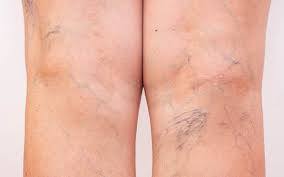
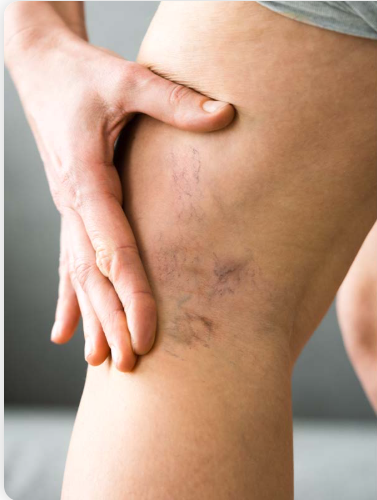
Common causes of varicose veins include:
Age: As people age, their veins lose elasticity and stretch. The valves in the veins may weaken, allowing blood that should flow to the heart to flow backward. This causes blood to pool in the veins, leading to their enlargement and the formation of varicose veins. Varicose veins appear bluish because they contain deoxygenated blood that is returning to the bloodstream (recirculating) via the lungs.
Pregnancy: Some pregnant women develop varicose veins. Pregnancy increases the volume of blood in the body but reduces its flow from the legs to the pelvis. This change in circulation is intended to support the growing fetus but can, however, cause an unfortunate side effect: enlarged veins in the legs. Varicose veins may appear for the first time or worsen later in pregnancy when the uterus puts more pressure on the veins in the legs. Hormonal changes during pregnancy may also play a role. Varicose veins that appear during pregnancy usually improve without any medical treatment within three months after delivery.
Factors that increase the risk of developing varicose veins:
Age: Varicose veins often appear between the ages of 30 and 70, and the risk increases with age. Aging causes wear and tear on the valves in the veins, which help regulate blood flow. Eventually, this valve erosion allows blood to flow backward into the veins, where it pools, instead of flowing to the heart.
Sex: Women are more prone to varicose veins than men. Hormonal changes during pregnancy, premenstrual syndrome (PMS), and menopause can be contributing factors. Female hormones tend to cause the walls of the veins to relax. Taking hormone replacement therapy or birth control pills may increase the risk of developing varicose veins.
Genetics: The likelihood of developing varicose veins increases if relatives have them. Obesity: Excess weight puts additional pressure on the veins.
Standing for long periods: Blood flow is less efficient when remaining in the same position for extended periods.