Contact Us For Support
drfirasrifai@gmail.com
Address
Ramallah – Al-Fahd Commercial Center, 5th Floor, Downtown – Al-Bireh, opposite Jamal Abdel Nasser Mosque

category photo
Description

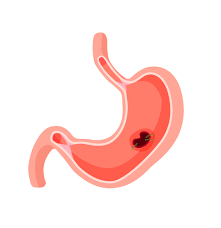
A gastric ulcer is a sore in the lining of the stomach.

Like a duodenal ulcer, a gastric ulcer is a form of peptic ulcer disease. The prevalence of gastric ulcers in Western society is lower than that of duodenal ulcers. They generally appear later in life, with their prevalence peaking between the ages of 50 and 60.

before photo
after photo

Peptic ulcers occur when acid in the digestive tract erodes the inner surface of the stomach or small intestine. The acid can cause a painful open sore that may bleed.

The digestive tract is lined with a mucous layer that normally protects it from acid. However, if the amount of acid is too high or the amount of mucus is too low, an ulcer may develop. Common causes include:

Infection with a type of bacteria. Helicobacter pylori (H. pylori) mostly lives in the mucous layer that covers and protects the tissue lining the stomach and small intestine. H. pylori usually doesn't cause problems, but it can cause inflammation of the inner lining of the stomach, causing an ulcer. It's not clear how H. pylori infection spreads. It can be transmitted from person to person through physical contact, such as kissing. People can also become infected with H. pylori through food and drink.

Regular use of certain pain relievers. Taking aspirin, along with some over-the-counter and prescription painkillers (known as nonsteroidal anti-inflammatory drugs, or NSAIDs), can irritate or inflame the lining of the stomach and small intestine. These drugs include ibuprofen (Advil, Motrin IB, others), naproxen sodium (Aleve, Anaprox, others), ketoprofen, and others. They do not include acetaminophen (Tylenol). Peptic ulcers are common in older adults who frequently take these painkillers or in people who take these drugs for osteoarthritis.

Other medications. Taking certain other medications with NSAIDs, such as steroids, anticoagulants, low-dose aspirin, selective serotonin reuptake inhibitors (SSRIs), alendronate (Fosamax), and risedronate (Actonel), can significantly increase the risk of ulcers.


Treatment for peptic ulcers depends on their cause. Treatment typically involves killing the Helicobacter pylori bacteria if present, eliminating or reducing the need for NSAIDs, if possible, and helping your ulcer heal with medication.

Medications may include:

1. Antibiotics to kill the Helicobacter pylori bacteria. If Helicobacter pylori is present in your digestive tract, your doctor may recommend a combination of antibiotics to kill the bacteria. This may include amoxicillin (Amoxil), clarithromycin (Biaxin), metronidazole (Flagyl), tinidazole (Tindamax), tetracycline (Tetracycline HCl), and levofloxacin (Levaquin).

The antibiotics used will depend on where you live and current antibiotic resistance rates. You'll likely need to take antibiotics for two weeks, along with other medications to reduce stomach acid, including proton pump inhibitors (PPIs). You may also be given bismuth subsalicylate (Pepto-Bismol).

2. Medications that block acid production and promote healing. Proton pump inhibitors reduce stomach acid by inhibiting the activity of acid-producing parts of the cells. These include prescription and over-the-counter medications, such as omeprazole (Prilosec), lansoprazole (Prevacid), rabeprazole (Aciphex), esomeprazole (Nexium), and pantoprazole (Protonix).

Long-term use of PPIs, especially at high doses, may increase your risk of hip, wrist, and spine fractures. Ask your doctor if taking calcium supplements might reduce this risk.

3. Medications to reduce acid production. Acid blockers—also called histamine (H-2) blockers—reduce the amount of stomach acid released into the digestive tract, relieving ulcer pain and promoting healing.

Acid blockers, which are available over-the-counter, include famotidine (Pepcid), cimetidine (Tagamet HB), and nizatidine (Axid AR).

4. Antacids that neutralize stomach acid. Your doctor may add an antacid to your medication regimen. Antacids neutralize existing stomach acid and can quickly relieve pain. Side effects can include constipation or diarrhea, depending on the main ingredients.

Antacids can relieve symptoms, but they are generally not used to heal ulcers.

5. Medications that protect the lining of your stomach and small intestine. In some cases, your doctor may prescribe medications called cytoprotective agents, which help protect the tissue lining your stomach and small intestine.

Prescription options include sucralfate (Sarafate) and misoprostol (Cytotec).

1. Endoscopy. Your doctor may use endoscopy to examine your upper gastrointestinal tract. During endoscopy, your doctor passes a hollow tube with a lens (endoscope) down your throat and into your esophagus, stomach, and small intestine. Your doctor uses endoscopy to look for ulcers.

If your doctor detects an ulcer, he or she may take a small tissue sample (biopsy) for laboratory testing. The sample will also reveal whether Helicobacter pylori is present in your stomach lining.

Your doctor is more likely to recommend endoscopy if you are older, have signs of bleeding, have recently lost weight, or have difficulty eating and swallowing. If the endoscopy shows an ulcer in your stomach, you should have a follow-up endoscopy after treatment to verify that it has healed, even if your symptoms improve.

2. Upper GI X-ray series. An upper GI X-ray series produces images of your esophagus, stomach, and small intestine. This procedure is sometimes called a barium swallow. During the X-ray, you swallow a white liquid (containing barium) that floods your digestive tract and makes the ulcer more visible.

Blood and urine tests

EKG and X-rays for those over 40

Hair removal at the procedure site

Shower and clean thoroughly on the day of the procedure

The price will be determined after the doctor's examination at the clinic.
0.0 / 5
from 0 ratings
5 0
4 0
3 0
2 0
1 0
How would you rate this specialized clinic?
Tap the stars to choose your rating
Thanks for your rating!