- Home
- About Us
- Doctors
-
Medical Clinics
-
General surgery
- تدلّي المستقيم
- الانسداد المعوي
- Esophagitis
- سلس البراز
- Thyroid tumor resection
- Irritable bowel syndrome
- Treatment of flatulence
- enteritis
- gastroesophageal reflux disease (GERD)
- Echinococcosis and canine cysts
- Varicocele
- stomach ulcer
- Pilonidal sinus
- Open appendectomy
- fistula
- ganglion cyst
- Rectal prolapse
- ulcerative colitis
- Circumcision (males)
- gallstones
- Crohn's disease
- Mediterranean fever
- Corn and callus surgery
- Tongue-tie (tongue-bound)
- Primary hyperhidrosis surgery
- Varicose vein ligation
- abdominal wall hernia
- knee replacement
- Splenectomy
- Colon resection
- anal fissure surgery
- Gastric sleeve surgery for weight loss
- inguinal hernia
- gallbladder removal surgery
- appendicitis
- Thyroid surgery
- hemorrhoid surgery
- General Surgery and Endoscopy Clinic
- hernia operation
- umbilical hernia
- hemorrhoid surgery
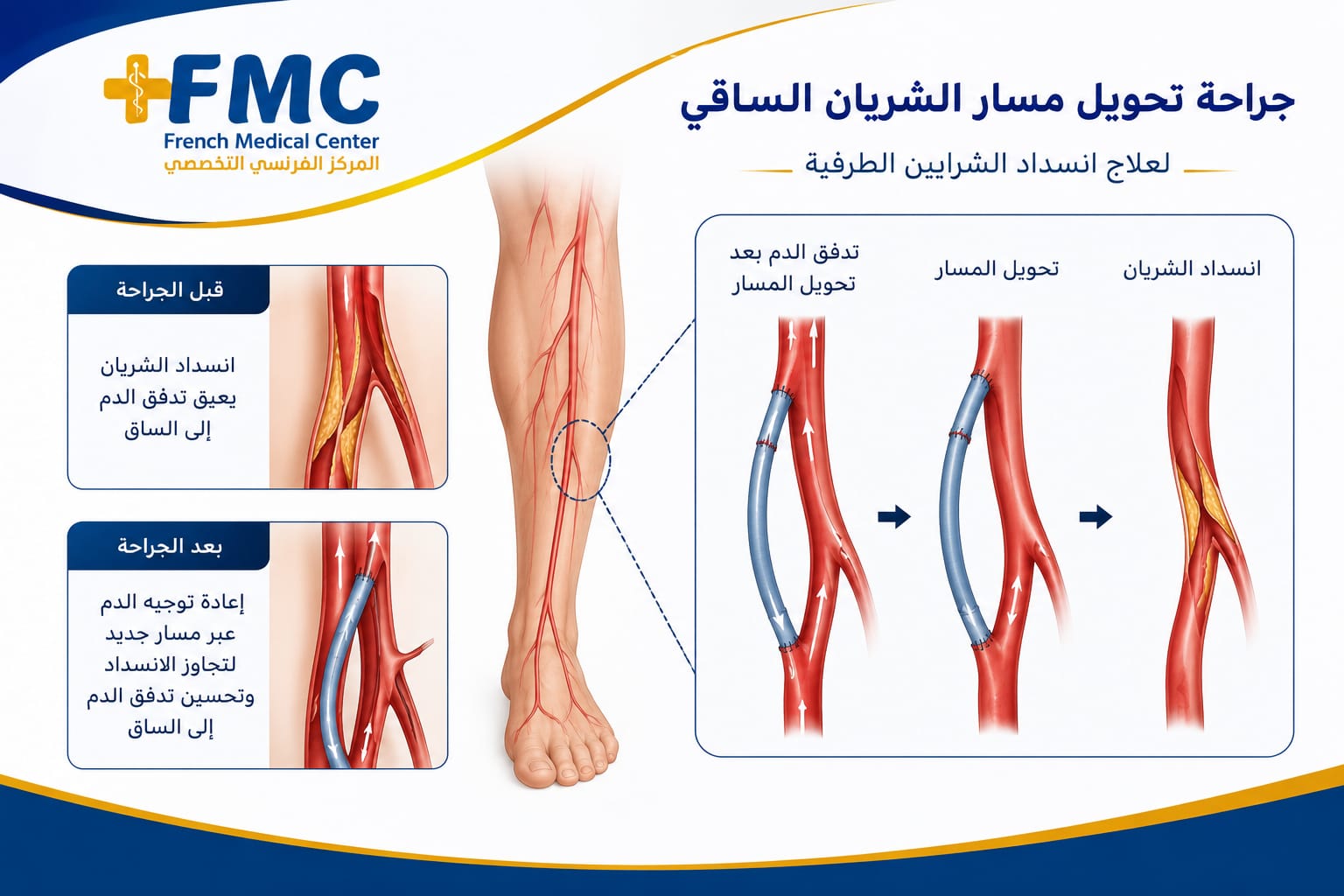
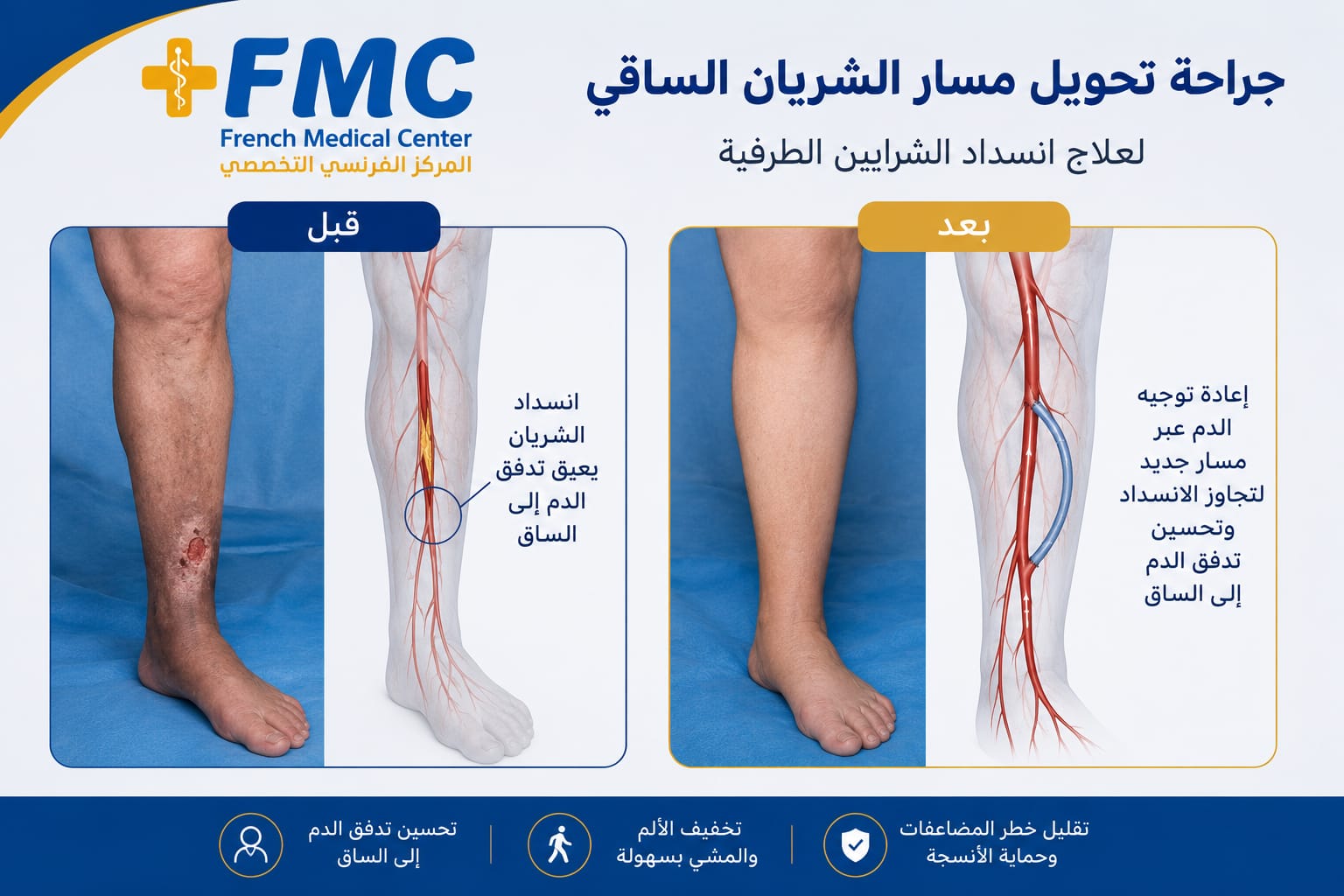
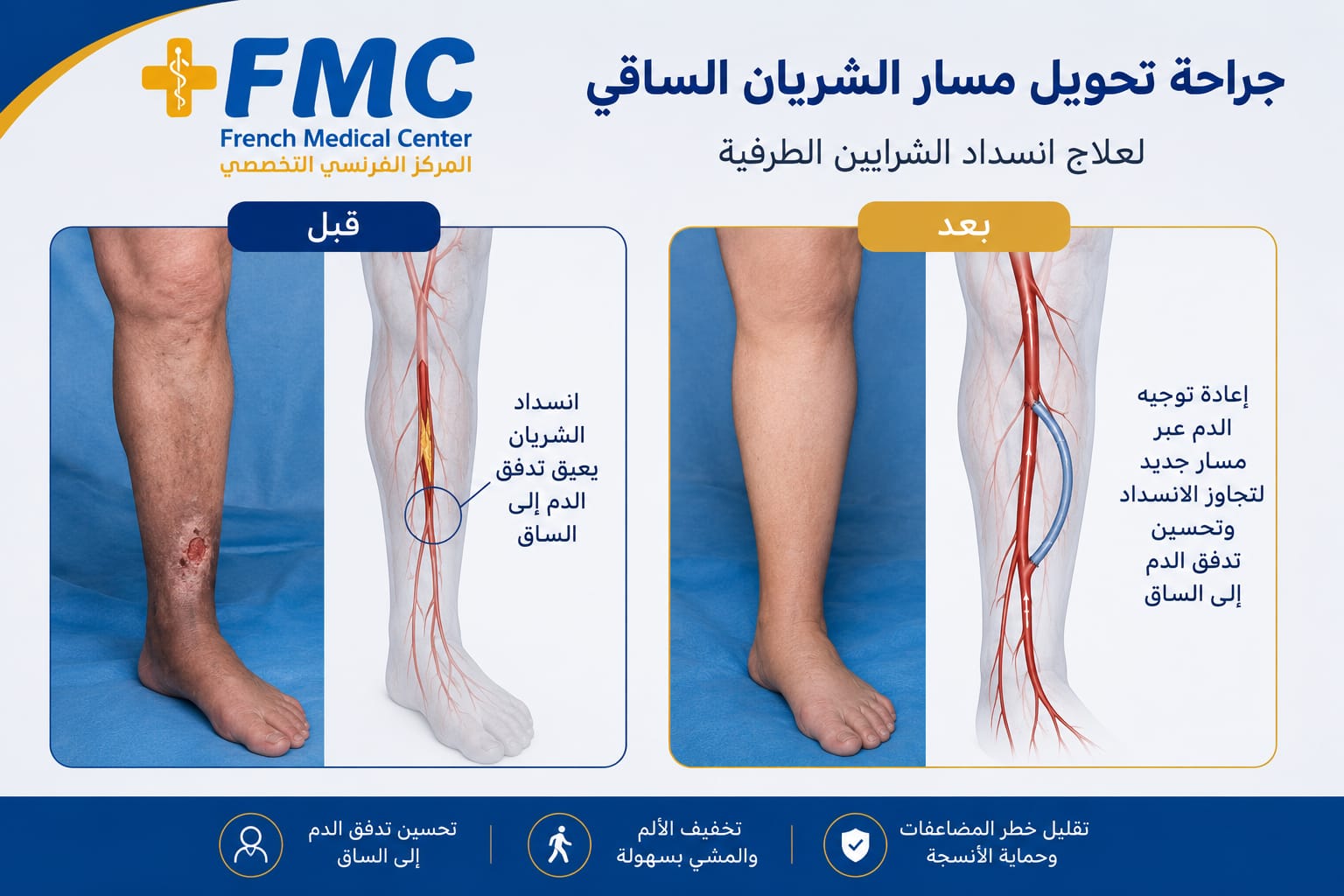
- Leg Artery Bypass Surgery for Peripheral Artery Blockage
- Medical adhesive injection (VenaSeal) for Treating Varicose Veins
- inguinal hernia
- Breast tumor removal
- fat masses
- Oncological Surgery
-
Cosmetic Surgery
- البلازما للشعر والوجه
- الأذن الخفاشية
- جراحة تجميل الذقن
- عملية تجميل الجروح
- Abdominal tightening
- Sculpting the abdomen, flanks and back
- vaginal tightening
- To tighten the waist and lower back
- buried penis
- Removal of polyps
- Rap of the two codes
- Arm lift surgery
- Tattoo removal
- Wound cosmetic surgery
- Ingrown nail
- Lip reduction surgery
- inverted nipple surgery
- Eyelid surgery
- Liposuction surgery
- Gynecomastia in men
- face lift
- Otoplasty
- rhinoplasty
- breast augmentation
- Thigh Lift Surgery
- Rhinoplasty
- Abdominal and waist liposuction
- double chin
- Breast lift and augmentation
- Breast reduction
- Thigh tightening
- Buttock sculpting for a sporty male figure
- Arm tightening for Men
- Ultra ultra-specific body sculpting for men
- Breast sculpting and muscle augmentation for men
- Sculpting the four-dimensional athletic body
- Laser treatment for spider veins
- Bat Ear (Prominent Ear / Protruding Ear)
- Earlobe Repair
- Ear Reduction (Macrotia Reduction)
- Revision Rhinoplasty (Secondary Rhinoplasty)
- Tip Rhinoplasty (Tip Plasty)
- Abdominoplasty, waist and back lift
- Gynecomastia surgery in men
- bat ear
- eyelid surgery
- Orthopedic Surgery
- ENT Surgery
- Gastroenterology and Endoscopy
- Physiotherapy
- Surgery Clinic (Vascular and Arterial) and Peripheral Catheterization
- Flat Foot
-
General surgery
- Surgery Alternatives
- Articles
- Videos
- Contact Us
- Language
- Social Media