


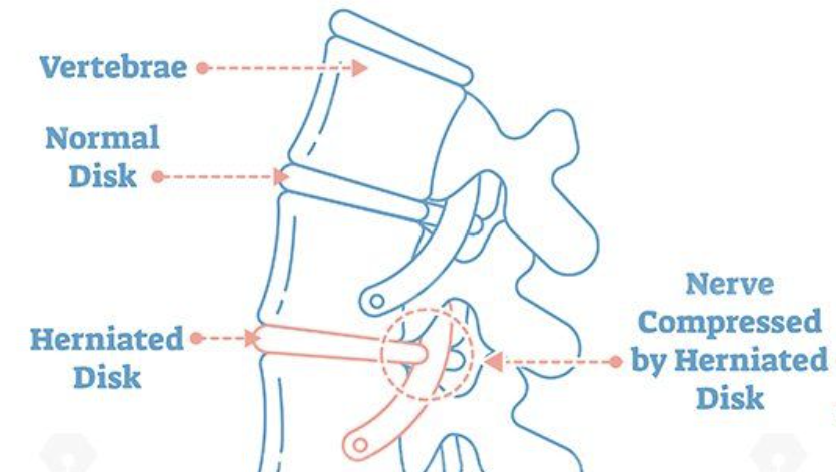
10 Natural Sciatic Nerve Pain Relief Options — Chiropractor‑Recommended Guide
Sciatic nerve pain can be intense, radiating from the lower back down the leg, and often interfering with daily activities. While medications may offer temporary relief, many people prefer natural, non‑invasive solutions that address the root cause. Chiropractors often recommend a combination of lifestyle changes, targeted exercises, and hands‑on therapies to reduce inflammation and improve nerve function.
Here are 10 natural ways to relieve sciatic nerve pain safely and effectively.
1. Chiropractic Adjustments
Chiropractic spinal adjustments help restore proper alignment in the lower back and pelvis. This reduces pressure on the sciatic nerve, improves mobility, and decreases inflammation.
2. Stretching the Piriformis Muscle
The piriformis muscle can compress the sciatic nerve when tight. Gentle stretches targeting the hips and glutes can significantly reduce nerve irritation.
3. Heat Therapy
Applying heat increases blood flow, relaxes tight muscles, and reduces stiffness. Warm compresses or heating pads can be used several times a day.
4. Cold Therapy
Ice packs help decrease inflammation and numb sharp pain. Cold therapy is especially helpful during the first 48–72 hours of a flare‑up.
5. Anti‑Inflammatory Nutrition
Foods rich in antioxidants and omega‑3 fatty acids can reduce inflammation naturally. Examples include:
- Turmeric
- Ginger
- Salmon
- Berries
- Leafy greens
Avoiding processed foods and sugar also helps.
6. Gentle Walking and Movement
Staying active prevents stiffness and improves circulation. Short walks throughout the day can reduce pressure on the sciatic nerve.
7. Massage Therapy
Deep tissue or trigger‑point massage helps relax tight muscles in the lower back, hips, and legs. This reduces nerve compression and improves mobility.
8. Yoga and Mobility Exercises
Yoga poses such as:
- Child’s pose
- Cat‑cow
- Pigeon pose
- Knee‑to‑chest stretch
These help lengthen the spine, open the hips, and relieve sciatic nerve tension.
9. Proper Posture and Ergonomics
Poor posture increases pressure on the lower back. Using supportive chairs, adjusting desk height, and avoiding long periods of sitting can prevent flare‑ups.
10. Adequate Hydration and Rest
Hydration supports spinal disc health, while proper rest allows inflamed tissues to recover. Sleeping on a supportive mattress and avoiding stomach‑sleeping can also reduce pain.
When to See a Chiropractor
If sciatic pain persists for more than a week, becomes severe, or affects mobility, a chiropractor can provide:
- Spinal adjustments
- Posture correction
- Personalized exercise plans
- Soft tissue therapy
These treatments target the underlying cause rather than just the symptoms.
Conclusion
Sciatic nerve pain can be managed naturally through a combination of movement, nutrition, therapy, and lifestyle adjustments. By following these chiropractor‑recommended strategies, many people experience significant relief and improved quality of life — without relying solely on medication.