


What Are Genital Warts?
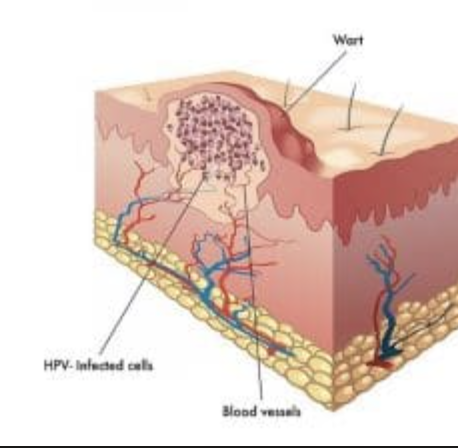
Genital warts are a common sexually transmitted infection (STI) caused by the Human Papilloma Virus (HPV).
Symptoms
Genital warts may take weeks or months to appear after infection.
They usually look like:
- Small, rough bumps on the skin
- Located:
- Around the vagina
- On the penis
- Around the anus
- On the skin between the genitals and anus
They may:
- Appear alone or in clusters (clusters can resemble cauliflower)
- Feel soft or firm
- Be white, red, skin‑colored, or darker
Most do not cause symptoms, but some may:
- Hurt
- Itch
- Bleed
When to Seek Medical Advice
Contact your GP or a sexual health clinic if you have:
- One or more painless lumps around the vagina, penis, or anus
- Itching or bleeding in the genital or anal area
- A sexual partner who has genital warts
Testing
Diagnosis involves a physical examination of the genital area.
You can get checked for free by:
- Booking an appointment with your GP
- Visiting your local sexual health service
Only a doctor or nurse can diagnose genital warts.
Treatment
Treatment is not always necessary — warts may disappear within 6 months.
If treatment is recommended, your doctor will prescribe it. You may be advised to avoid sex during treatment.
Treatment Options
- Cream or liquid
- Freezing (cryotherapy)
- Surgery
Cream or liquid
Applied several times a week for multiple weeks.
Freezing
A doctor or nurse freezes the warts with liquid nitrogen, usually weekly for 4 weeks.
Surgery
Warts are cut or burned off — used when warts are large or not responding to other treatments. Possible side effects:
- Bleeding
- Infection
- Scarring
Genital Warts and Pregnancy
Genital warts are not usually harmful during pregnancy.
During pregnancy, warts may:
- Grow or multiply
- Become more easily irritated
- Rarely pass to the baby during childbirth (can cause throat or genital infection)
Most creams and liquids are not recommended during pregnancy. Freezing can be used but is often less effective.
Warts usually disappear within 6 weeks after childbirth.
How Genital Warts Spread
Genital warts spread through skin‑to‑skin contact.
Other ways include:
- Unprotected vaginal, anal, or oral sex
- Sharing sex toys with someone infected
Prevention
The best protection is safer sex, including:
- Using condoms for vaginal, anal, and oral sex
- Using condoms when sharing sex toys
Note: Condoms do not cover the entire genital area, so warts can still spread.
HPV Vaccination
The HPV vaccine reduces the risk of infection with HPV strains that cause warts. It does not treat existing warts.
The vaccine:
- Is offered to everyone aged 11–13
- Protects against cervical cancer and genital warts
- Is also offered to MSM (men who have sex with men) and trans people up to age 45
- Can be purchased privately if not eligible through the NHS
Other STIs to Test For
If you have genital warts, it’s recommended to test for:
- Chlamydia
- Gonorrhoea
- Syphilis
- HIV