


The anal fistula is a tunnel that forms between the inside of the anus and the outer skin surrounding the anus. And the anus is the muscular opening at the end of the digestive tract, where feces exit the body.
Most cases of anal fistula occur as a result of infection of the anal glands. The infection causes pus-draining abscesses to appear on their own or through surgery through the skin adjacent to the anus. The drainage tunnel remains open and connects the affected anal glands or the anal canal and an opening in the outer skin surrounding the anus.
Surgery is usually necessary to treat the anal fistula. Sometimes, non-surgical treatments are an option.
Symptoms of anal fistula:-
An opening in the skin around the anus
A red inflamed area around the tunnel opening
The exit of pus, blood, or feces in the form of a ooze from the opening of the tunnel
The feeling of pain in the rectum and anus, especially when sitting or defecating
the fever
Causes of anal fistula:-
Most cases of anal fistula occur due to an infection of the anal glands. The infection is caused by the appearance of an abscess that drains the pus on its own or by surgery through the skin adjacent to the anus. The fistula is the channel that forms under the skin along this drain. Connects the channel between the anal glands or the anal canal and an opening in the outer skin around the anus. The sphincter muscle rings in the anus allow controlling the exit of feces. The fistulas are classified according to the severity of the injury to these sphincter muscles. This classification helps the surgeon to determine the appropriate treatment options
Risk factors for anal fistula
A rectal abscess has already been drained
Crohn's disease or other inflammatory bowel disease
Exposure to physical injury in the anal area
Exposure to infection in the anal area
Undergoing surgery or radiation therapy to get rid of anal cancer
Anal fistula most often affects adults around the age of 40, but may also affect young people, especially if there is a previous history of Crohn's disease. Anal fistula occurs more often in males than females
Signs indicate the necessity of surgical intervention for the anal fistula
Chronic pain: a constant feeling of pain and discomfort does not disappear with painkillers.
The continuous secretions: discharge of pus or foul-smelling fluids contaminates clothes and causes skin infections.
Recurrence of the abscess: the appearance of a painful and inflamed swelling regularly and the failure to respond to drug treatment alone.
Widening of the path: worsening of the size and depth of the fistula over time
Risks of neglecting the anal fistula operation
The path of the fistula branches to make the situation more complicated.
Severe and frequent bacterial infections in the surrounding tissues.
Greater difficulty and a longer recovery period when the surgery decision is made later
How is the anal fistula diagnosed?
The anal fistula can be diagnosed by examining the anal area, and pressing on it, and the diagnosis can be made under anesthesia so that the examination can be performed deeply; To determine the depth and direction of the fistula without disturbing the patient.
In some cases, the doctor may request some imaging tests in the case of fistulas that appear on the surface of the skin, these tests allow the fistula to be seen from inside the body, and include:
Ultrasound examination.
Magnetic resonance imaging.
In some cases, the surgeon may need to perform the examination in the operating room under anesthesia, and if he has already confirmed the infection, he will recommend further tests to determine the cause and whether it is related to Crohn's disease, and these tests include:
Blood tests.
X-rays.
CT scan.
Colonoscopy
What is the treatment for anal fistula?
If the fistula has not yet formed, most anal abscesses can be drained in the doctor's office under the influence of local anesthesia, but if the fistula develops, the doctor will need to remove it surgically.
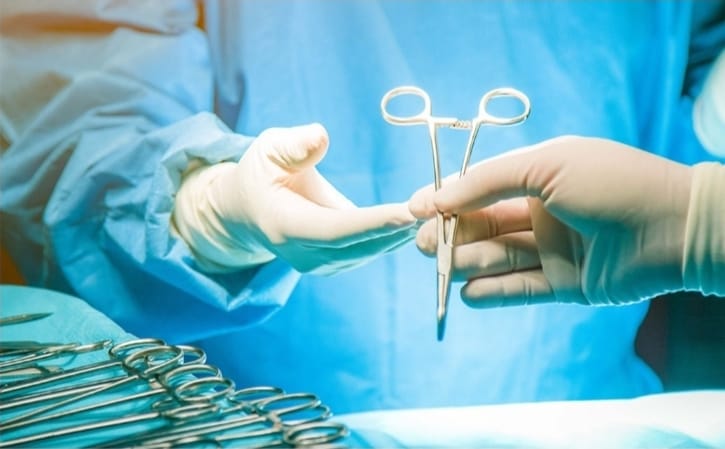
Surgical removal of the fistula is the primary treatment, and is performed by a colon and rectal surgeon. The surgery aims to get rid of the fistula while preserving the anal sphincter muscles (the sphincter muscles that control the closing and opening of the anal ring) which, if damaged, may cause fecal incontinence.
Surgical options for fistula treatment include the following:
Fistulotomy: in the case of simple fistulas, it involves cutting the entire fistula to turn into a flat scar after complete healing.
Seton procedure: It is performed in the case of complex fistulas, in which a piece of surgical thread, known as Seton, is placed in the fistula and left there for several weeks; gradually tighten before surgery.
Endoscope surgery: It is a minimally invasive surgery that involves a small incision and the use of an endoscope (a thin, flexible tube with small surgical instruments at the end) to remove the fistula.
Fistula surgery is usually performed in the outpatient clinic, which means that the patient can go home the same day, patients who have very large or deep fistulas may have to stay in the hospital for a short time after surgery, and some cases of fistula may require several operations to get rid of the fistula.
After removing the fistula, the doctor recommends taking antibiotics for a while; To ensure that no infection occurs, the following tips may help speed up the healing of the wound:
Put a cotton bandage over the wound until it heals.
Sitting in a warm water bath, 3-4 times a day, for 10 minutes.
Usually, the fistulas do not recur after surgery, especially with proper care.
The most important tips for living with anal fistula
Most fistulas can be effectively removed surgically, and the success of the surgery depends greatly on adherence to the doctor's instructions, and the following tips for living with the anal fistula after surgery may help:
Take pain relievers and antibiotics as directed by your doctor.
Sit in a warm water bath three or four times a day.
Not resuming normal activities except with permission from the doctor.
following a diet rich in fiber and drinking a lot of fluids; to avoid constipation.
Use a laxative when needed after consulting the doctor.
In conclusion, the treatment of the anal fistula depends on what
If it is simple, or complex, the doctor will determine the most suitable method of treatment according to the patient's condition, and in general, the success of the surgery depends greatly on following the doctor's instructions, and usually the fistula does not reappear.