


The Role of Physical Therapy in Managing Flat Foot (Pes Planus)
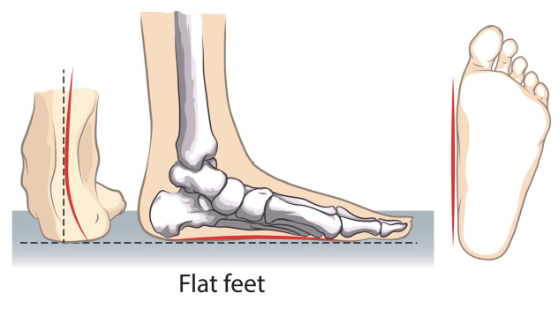
Flat foot, also known as fallen arches (Pes Planus), is a condition where the natural arch of the foot is reduced or absent. It may be present from birth or develop later due to factors such as injury, aging, or repetitive strain. Although flat feet are often symptom‑free, severe cases may cause pain, discomfort, and movement difficulties. Physical therapy plays a key role in managing flat foot by reducing symptoms, improving function, and preventing complications.
Types of Flat Foot
- Flexible flat foot: The arch appears when the foot is lifted but disappears when standing.
- Rigid flat foot: The arch remains flat whether weight‑bearing or not.
Causes
- Congenital: Natural variations in foot structure from birth.
- Acquired: Weakness of the posterior tibial tendon, injuries, arthritis, obesity, or repetitive stress.
Symptoms and Complications
Symptoms:
- Pain or fatigue in the foot or heel
- Swelling on the inner ankle
- Difficulty walking or standing
- Changes in gait
Complications:
- Plantar fasciitis
- Tendon inflammation
- Knee, hip, or lower‑back pain
- Increased risk of injury due to instability
Role of Physical Therapy
1. Assessment
Includes posture analysis, gait evaluation, joint mobility testing, and muscle strength assessment.
2. Exercise‑based Interventions
Strengthening:
- Towel curls
- Picking up objects with toes
- Short‑foot exercises
- Resistance band inversion for posterior tibial strengthening
Stretching:
- Calf stretches
- Plantar fascia stretches
Balance training:
- Single‑leg stance
- Balance board exercises
3. Manual Therapy
Joint mobilization, soft‑tissue massage, and fascial release techniques.
4. Orthotic Management
Orthotics help support the arch, redistribute pressure, and improve alignment.
5. Gait Training
Correcting foot posture, step length, and weight distribution.
6. Education & Lifestyle Modification
Supportive footwear, weight management, and low‑impact activities.
Outcomes
With consistent physical therapy, most patients experience significant improvement in symptoms and mobility. While physical therapy may not restore the arch, it effectively reduces pain, enhances movement, and prevents complications.